Training & Readiness
A volunteer department stays effective through consistent training, safe procedures, and rigorous equipment checks. Our commitment to ongoing training ensures we’re prepared to respond quickly and safely to emergencies, protecting both our community and our responders.
Why Training Matters
Regular training reduces risks to firefighters and improves outcomes during incidents. We emphasize a “do it right, do it safe” culture, focusing on skill-building, teamwork, and real-world scenarios. This not only builds confidence but also fosters accountability and readiness.
Key Training Focus Areas
Our training program covers essential skills tailored to our department’s needs:
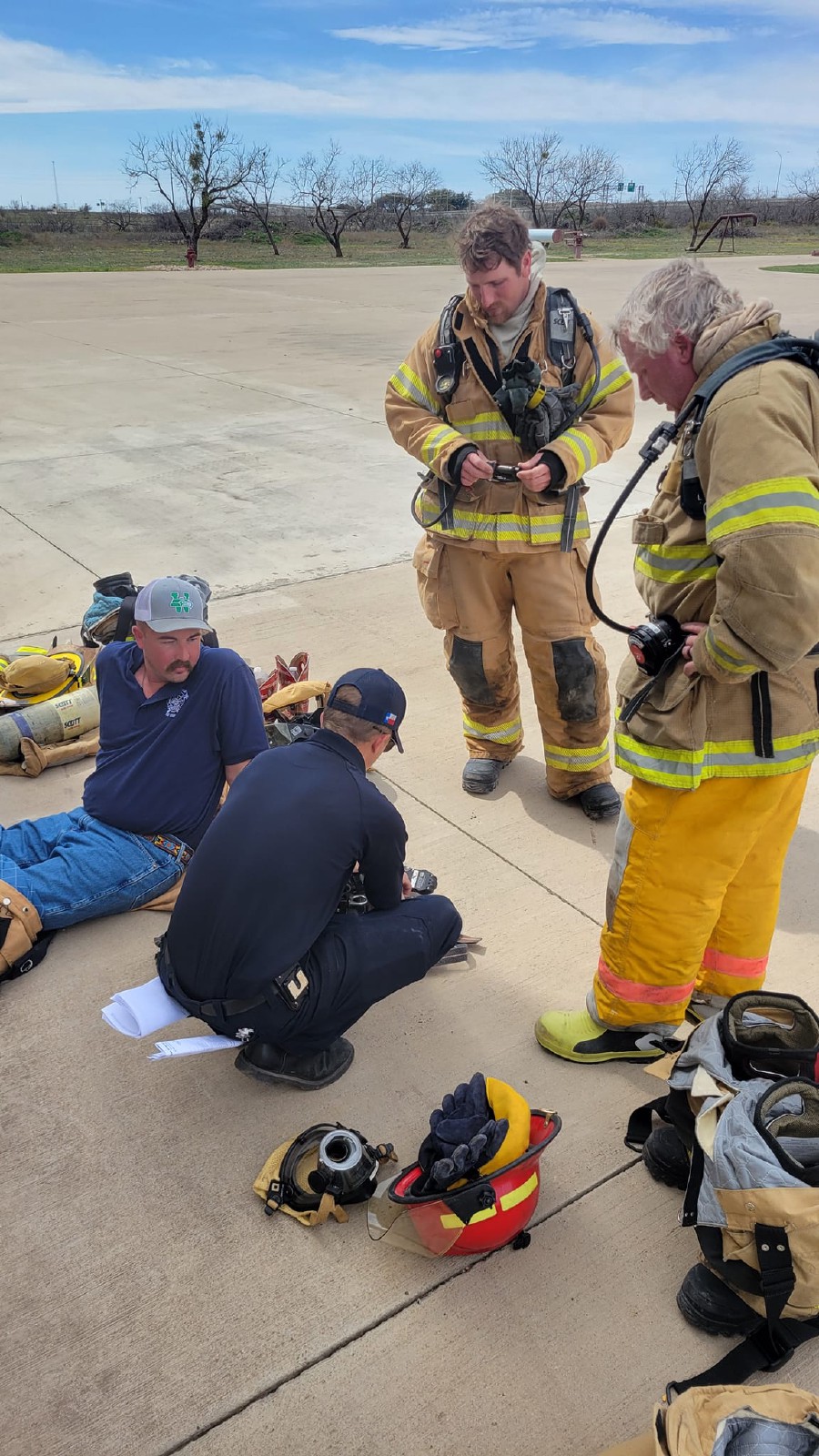
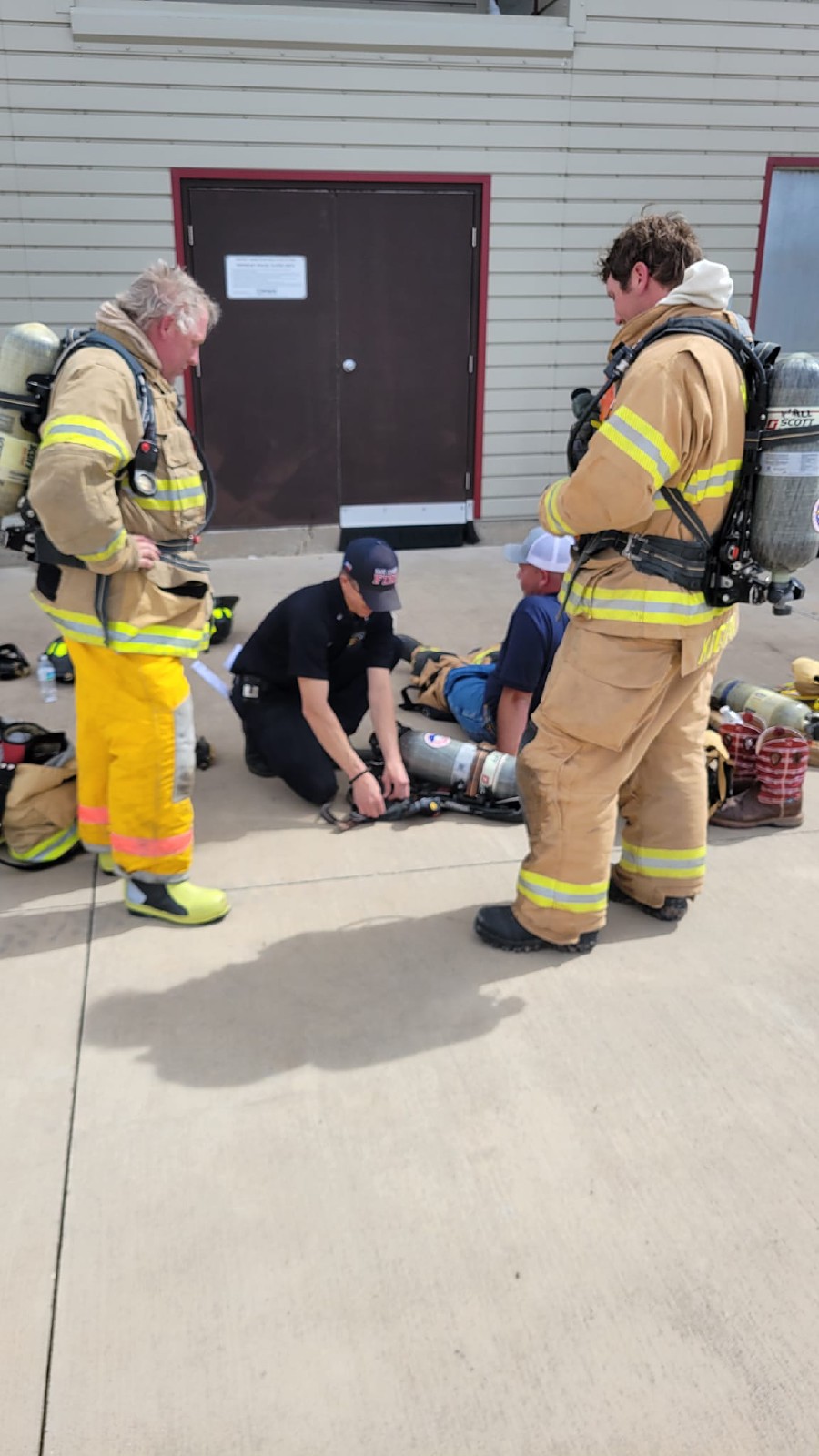
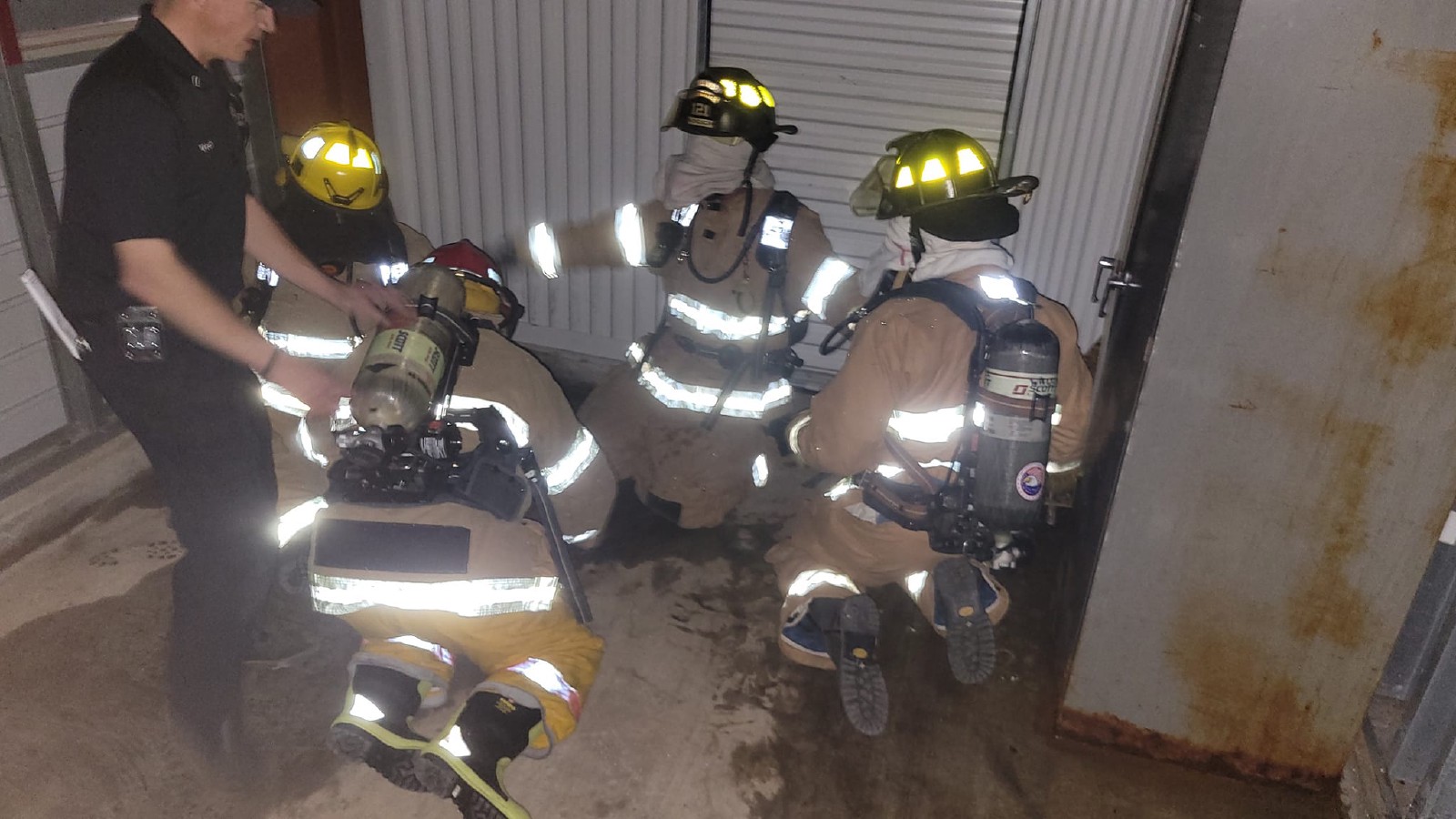
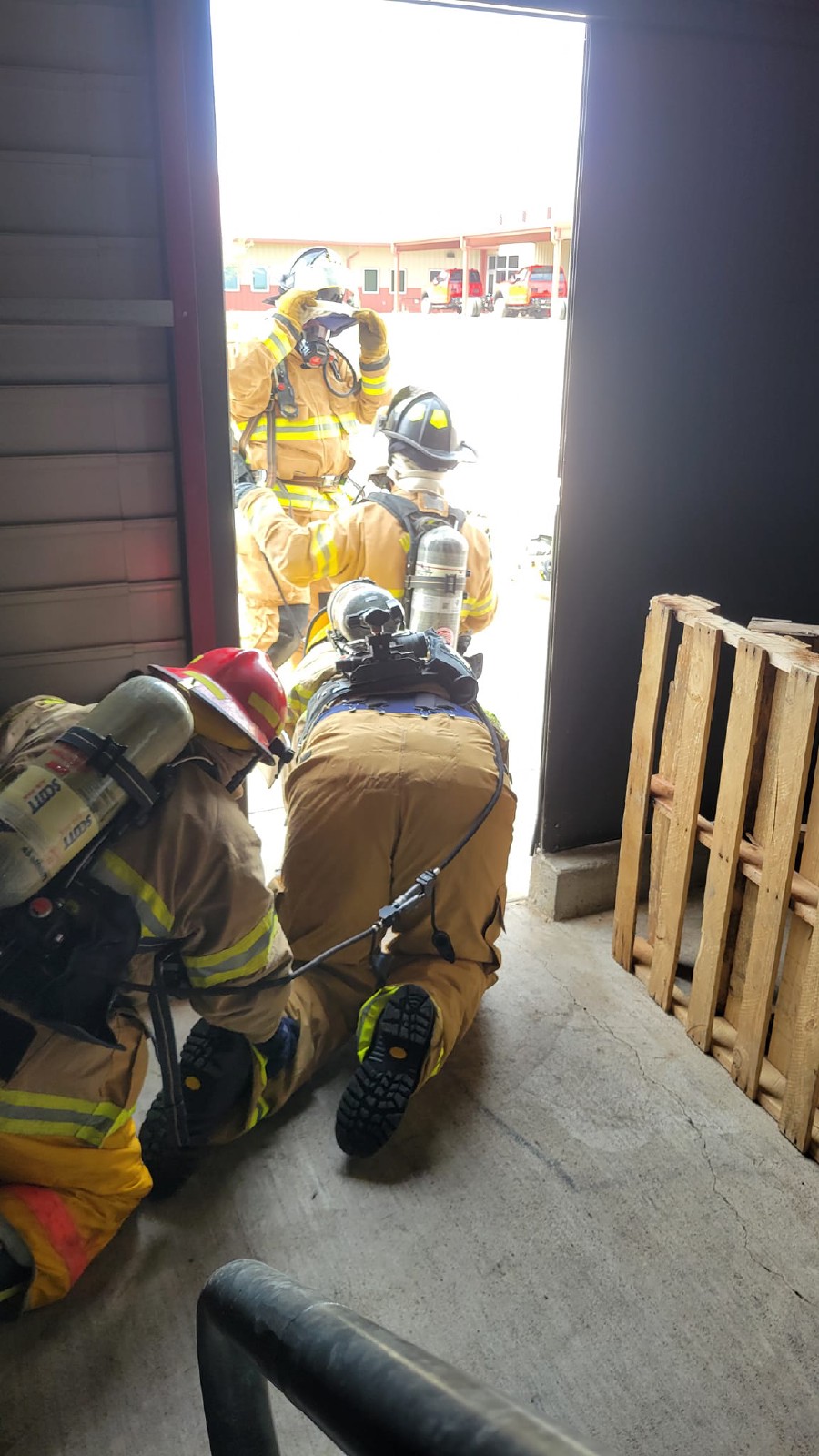
- Personal Protective Equipment (PPE) and SCBA Basics (as equipped)
- Hose & Nozzle Operations
- Wildland Tactics and Fireline Safety
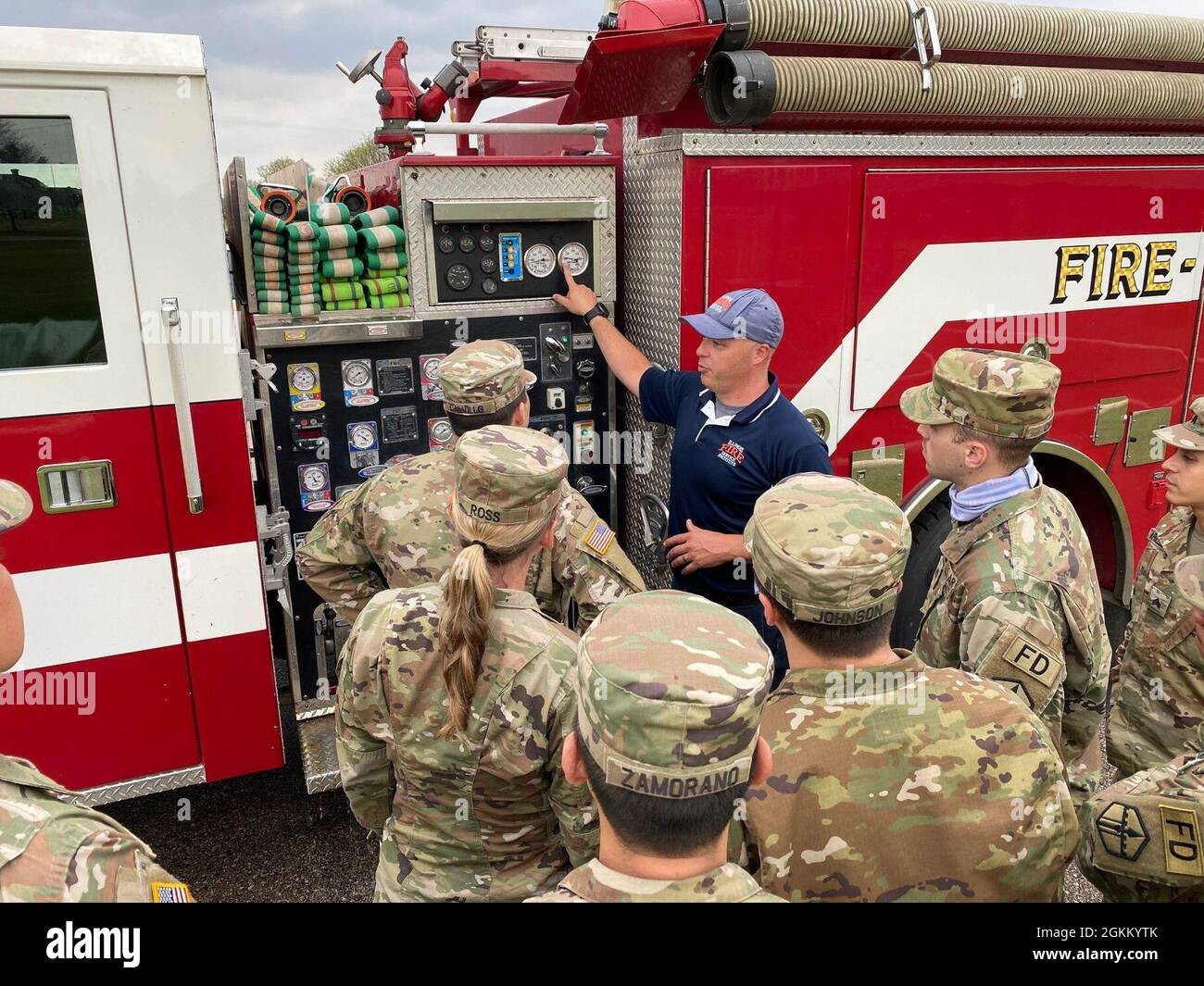
- Pump Operations and Apparatus Checks
- Scene Size-Up, Communications, and Personnel Accountability
- Rehabilitation, Hydration, and Heat Stress Management
- Search and Rescue Techniques
- Emergency Medical Response Basics (if applicable)
- Driver/Operator Training
- Incident Command System (ICS) Basics
We incorporate hands-on drills, scenario-based exercises, and occasional joint trainings with neighboring departments for broader experience.
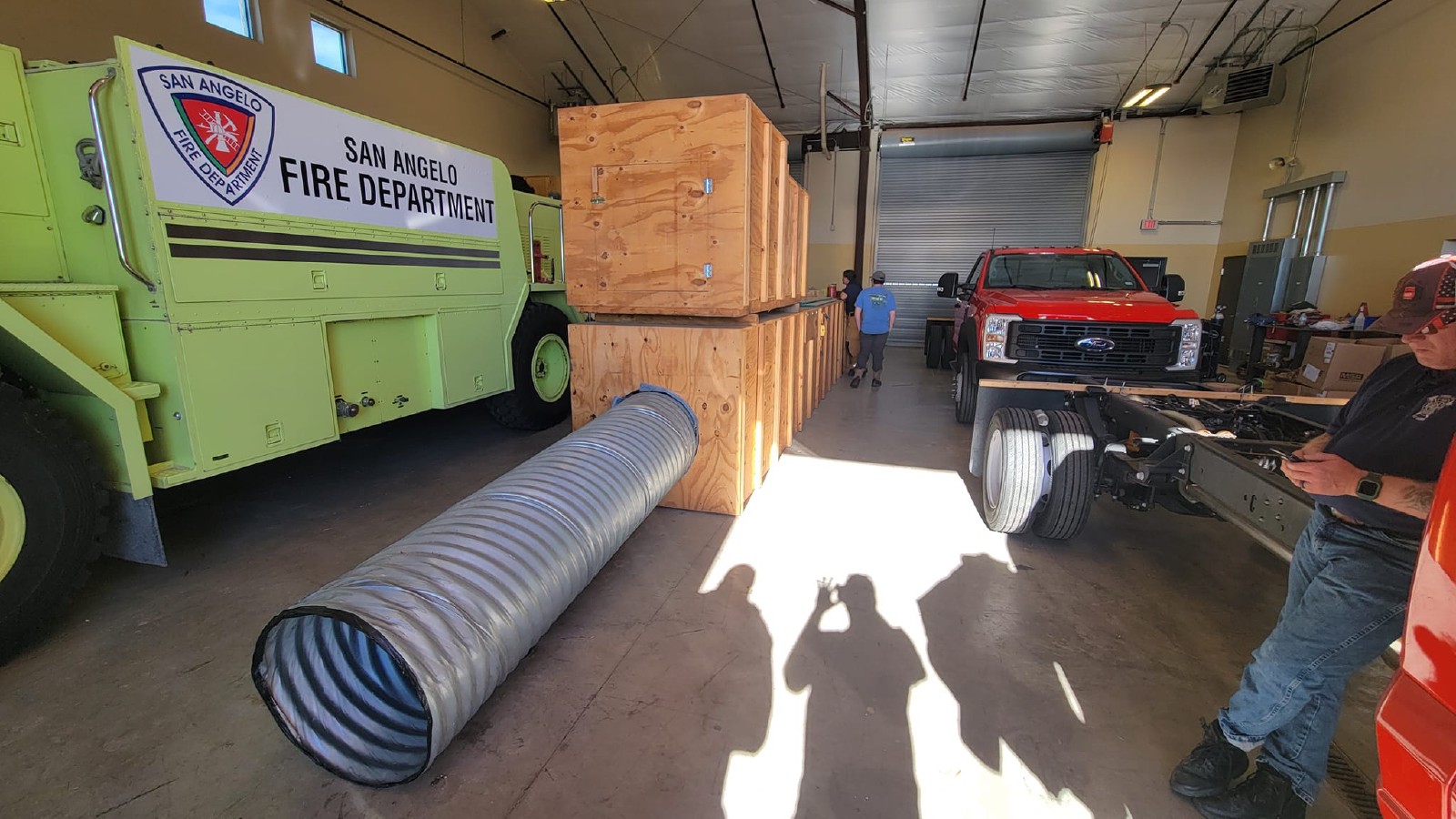
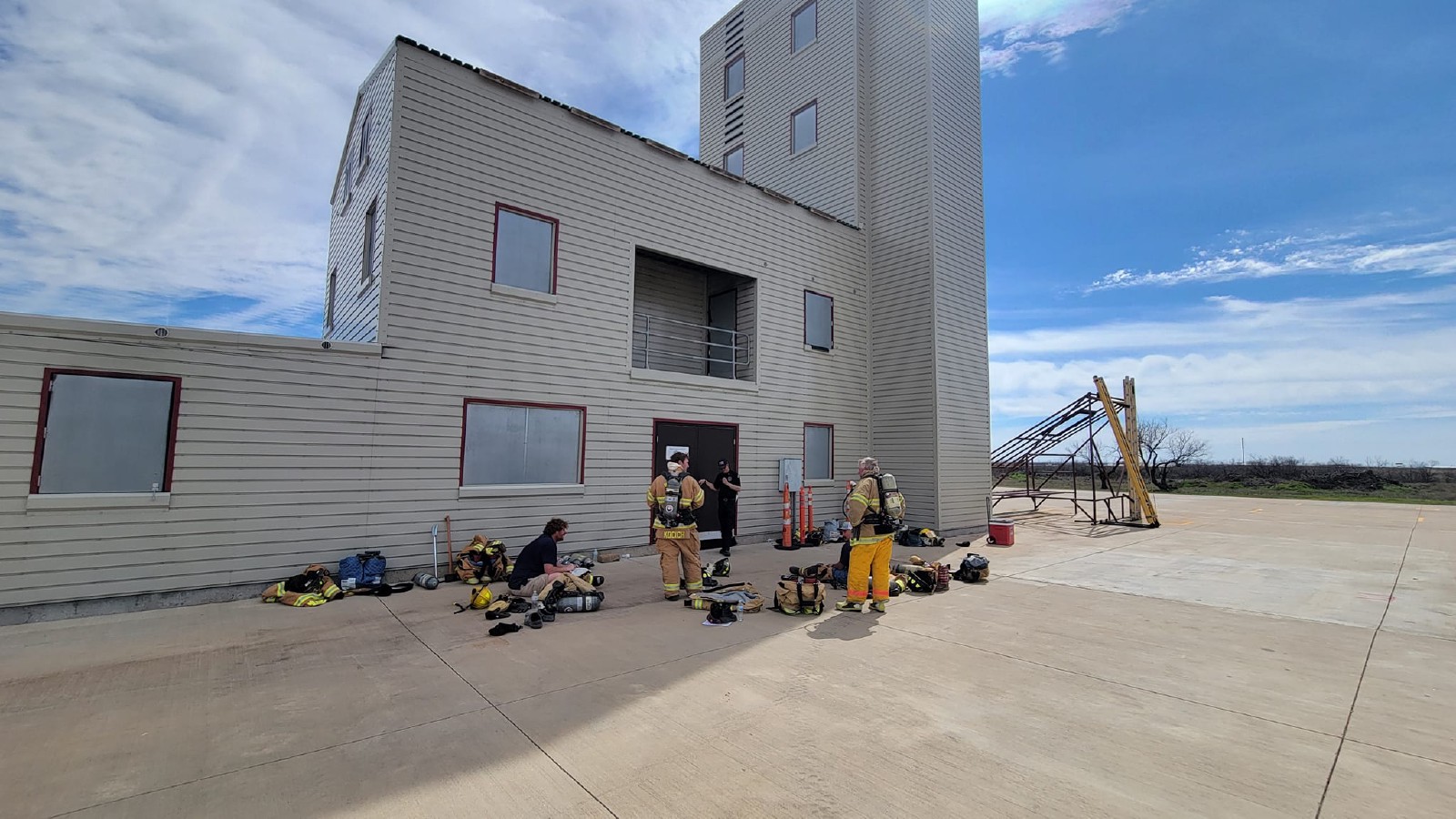
Here are some examples of our training exercises in action:
Apparatus and Equipment Readiness
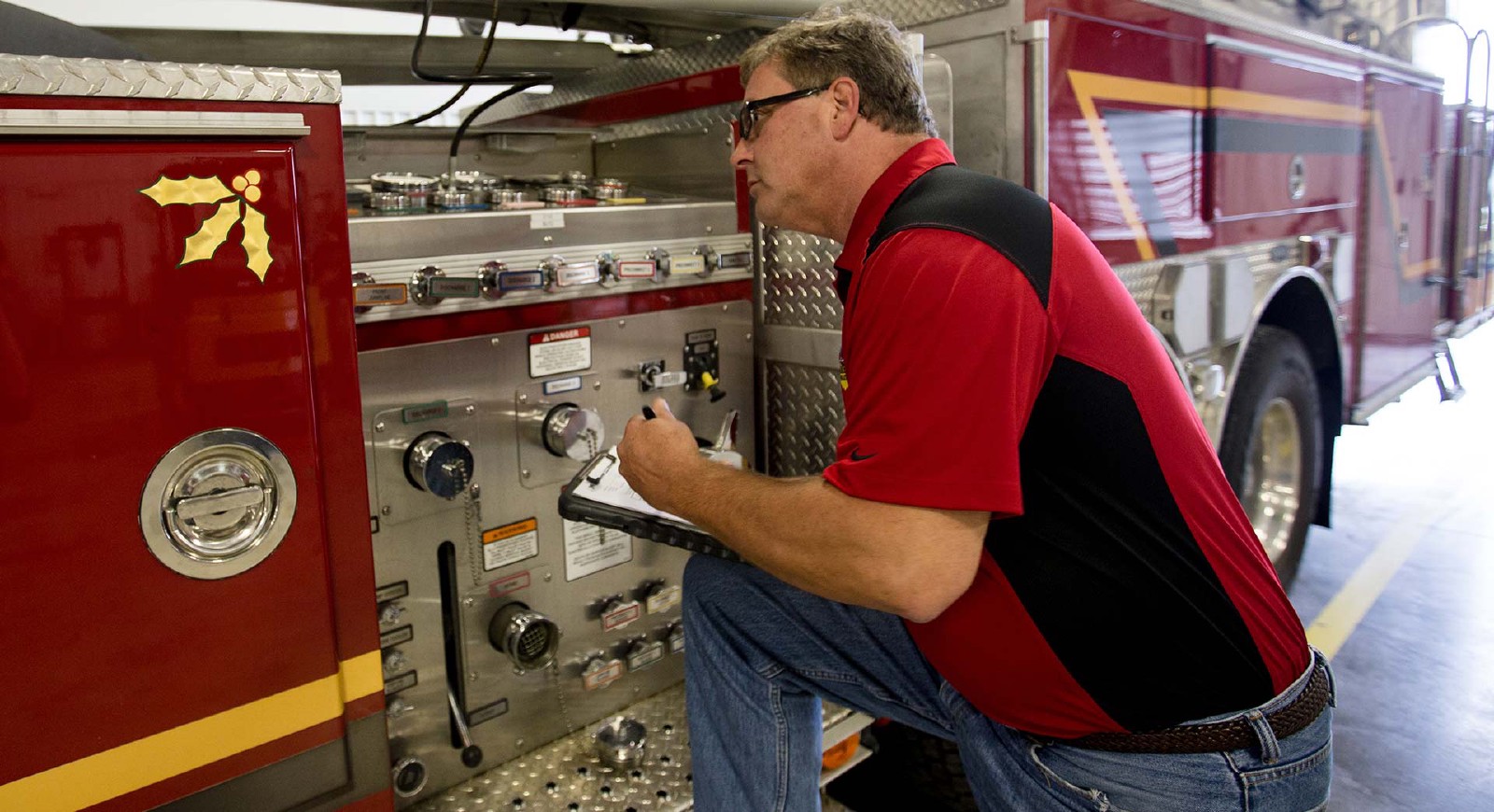
Daily/weekly checks ensure our vehicles and tools are always response-ready. We follow structured checklists for inspections, including pumps, hoses, tools, and medical supplies.
Examples of apparatus check formats for inspiration:
Department Calendar
We typically hold training sessions on [e.g., Monday evenings] and business meetings on [e.g., the second Tuesday of each month]. Special classes, live-fire drills, or multi-department exercises are scheduled as needed.
Check back regularly or contact our Training Officer for the latest schedule.
What the Public Should Know
Our training exists to minimize risks to responders while maximizing effective community protection. By investing time in drills and preparedness, we arrive better equipped to handle fires, medical emergencies, and other incidents safely and efficiently.
If you’re interested in joining our team or learning more about fire safety, Contact us!
Additional Suggestions for Expansion
- Add Photos/Videos: Include your own department training photos in a gallery for engagement.
- Resources Section: Link to free online trainings (e.g., NVFC or USFA resources) or downloadable safety tips.
- Testimonials: Quotes from members about how training has prepared them.